
Beyond the Calculator: The Complete Blueprint to Fat Loss Without Counting Calories
# Beyond the Calculator: The Complete Blueprint to Fat Loss Without Counting Calories
For decades, the fitness industry has pushed a singular narrative: if you want to change your body composition, you must weigh your food, download a tracking app, and obsess over every single calorie that enters your mouth.
But for many, traditional calorie counting creates an unhealthy relationship with food, leads to mental burnout, and ultimately fails long-term.
Here is the truth: you do not need to count calories to lose fat. Your body is a complex biological system, not a simple math problem. By shifting your focus away from restrictive numbers and toward automated, high-leverage habits, you can reliably improve your body composition, optimize your metabolism, and achieve sustainable health without ever looking at a calorie label.
1. Prioritize Protein at Every Meal
If you only implement one habit from this blueprint, make it this one. Instead of counting calories, focus entirely on hitting 30–50 grams of high-quality protein per meal.
Protein is the ultimate metabolic lever for three distinct reasons:
Maximum Satiety: Protein actively suppresses ghrelin (your hunger hormone) and stimulates fullness signals, keeping you satisfied for hours.
Muscle Preservation: When dropping body fat, a high protein intake ensures your body preserves hard-earned muscle tissue, forcing it to burn stored fat instead.
The Thermic Effect of Food (TEF): Your body burns significantly more energy just digesting protein compared to fats or carbohydrates. Up to 30% of the calories in protein are burned off purely during digestion.
2. Build Meals Around Whole Foods
Instead of looking at a plate and asking "How many calories are in this?" ask a much more powerful question: "How processed is this food?"
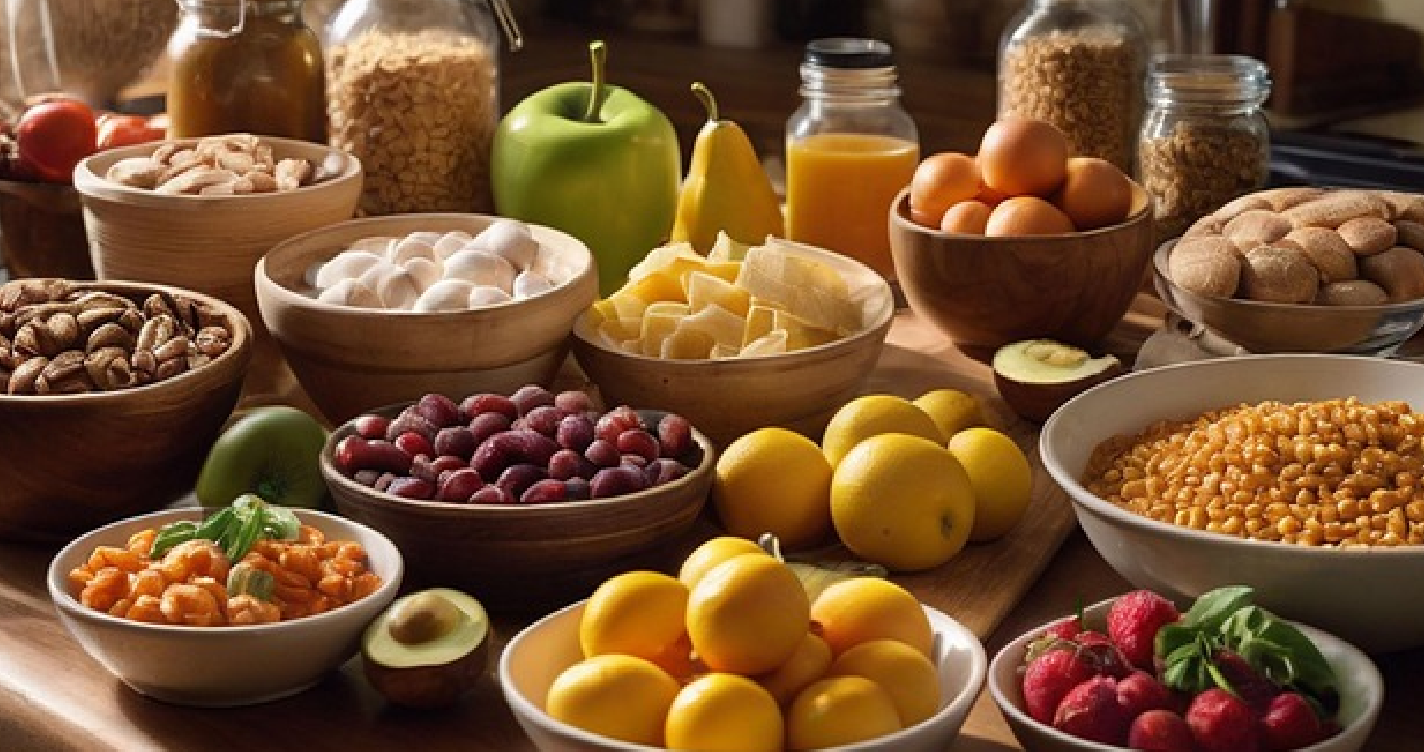
When you look at your plate, it should be composed of single-ingredient, whole foods:
A clean protein source
A high-quality healthy fat
A large portion of vegetables
Whole food carbohydrates like fruit, potatoes, or rice if desired
Whole foods are nutrient-dense and packed with natural volume and fiber, making it mechanically and biologically difficult to chronically overeat.
3. Reduce Ultra-Processed Foods
The human body does not have a design flaw that makes it naturally overeat whole foods. Think about it: when was the last time you accidentally overate plain steak, eggs, boiled potatoes, or fresh fruit? It almost never happens because your body's natural fullness signals work perfectly when digesting real food.
People overeat hyper-palatable, ultra-processed foods—chips, cookies, sugary drinks, pastries, and fast food. These foods are specifically engineered to bypass your brain's satiety centers. By simply auditing the quality of your ingredients and cutting out industrial processing, you naturally lower your energy intake without ever feeling restricted.
4. Eat Until You Are Satisfied, Not Stuffed
Most people eat until their plate is empty or until they feel physically uncomfortable. Instead, practice the habit of eating until you are roughly 80% full.
Stop eating when you are no longer hungry, rather than waiting until you are completely stuffed. This single habit requires zero measuring tools but automatically reduces your overall food intake while respecting your body’s true biological signals.
5. Slow Down Your Intake
Your brain requires roughly 15 to 20 minutes to register chemical fullness signals from your gut. If you inhale your food in five minutes, you will easily bypass your body's natural stop signs. By slowing down, chewing thoroughly, and putting your fork down between bites, you give your endocrine system the necessary window to signal true satisfaction before you cross into overeating.
6. Walk Every Single Day
Neat (Non-Exercise Activity Thermogenesis) is a massive driver of daily energy expenditure. Rather than doing grueling, stressful cardio, aim for 8,000 to 12,000 steps daily.
Consistent daily walking works as a powerful anchor for fat loss because it:
Improves insulin sensitivity and blood sugar management
Directly optimizes your body's fat-burning pathways
Lowers systemic cortisol (stress) and enhances nervous system recovery
7. Focus on Strength Training
Cardio burns energy only while you are actively moving. Strength training, however, fundamentally reshapes your metabolism. By lifting weights or doing resistance training even 3 times per week, you signal your body to build and maintain lean muscle tissue. Muscle is metabolically active tissue; increasing your muscle mass raises your resting energy expenditure, meaning you burn more energy around the clock, even while asleep.
8. Prioritize 7–9 Hours of Sleep
Fat loss is an endocrine (hormonal) process. If your sleep is compromised, your body composition progress will stall. Chronically getting less than 7 hours of quality sleep dramatically increases ghrelin (the hormone that drives hunger and intense cravings) and plummets leptin (the hormone that tells your brain you are full). Sleep is the absolute foundation of biological fat loss.
9. Utilize Time-Restricted Eating (Optional)
You do not need to eat six small meals a day to keep your metabolism active. For many, limiting their eating window naturally and effortlessly limits overeating. For example, ensuring you finish dinner by 6:00 PM and don't consume breakfast until 8:00 AM creates a clean, friction-free 14-hour fast. It simplifies your daily schedule and eliminates late-night mindless snacking.
10. Drink Water Before Your Meals
Mild dehydration can easily be misinterpreted by your brain as acute hunger. To prevent this signal cross-wire, develop the habit of drinking a large glass of clean water 20–30 minutes before you sit down for a meal. This supports your hydration, primes your digestive tract, and naturally fills gastric volume, making it easier to eat mindfully.
Shift Your Mindset: Track Habits, Not Calories
We don't count calories. We build healthy, automated habits.
Obsessing over numbers on a screen isn't sustainable. True, lifelong body composition changes come from consistently executing repeatable actions day after day.
Instead of chasing a calorie budget, rate your day using a simple system score based on the behaviors you can actually control:
Did I hit my high-quality protein target?
Did I hit my daily fiber target through whole foods?
Did I stay on top of my hydration targets?
Did I hit my daily step goal?
Did I prioritize my strength training or recovery?
Did I get 7–9 hours of deep sleep?
If you consistently execute these core behaviors day after day, your body composition, metabolic output, and energy levels will naturally optimize themselves. Ditch the calculator, focus on ingredient quality, and let your habits handle the rest.